Old Lennox Pulse Furnace Replaced with a Coleman Two-Stage High-Efficiency Unit
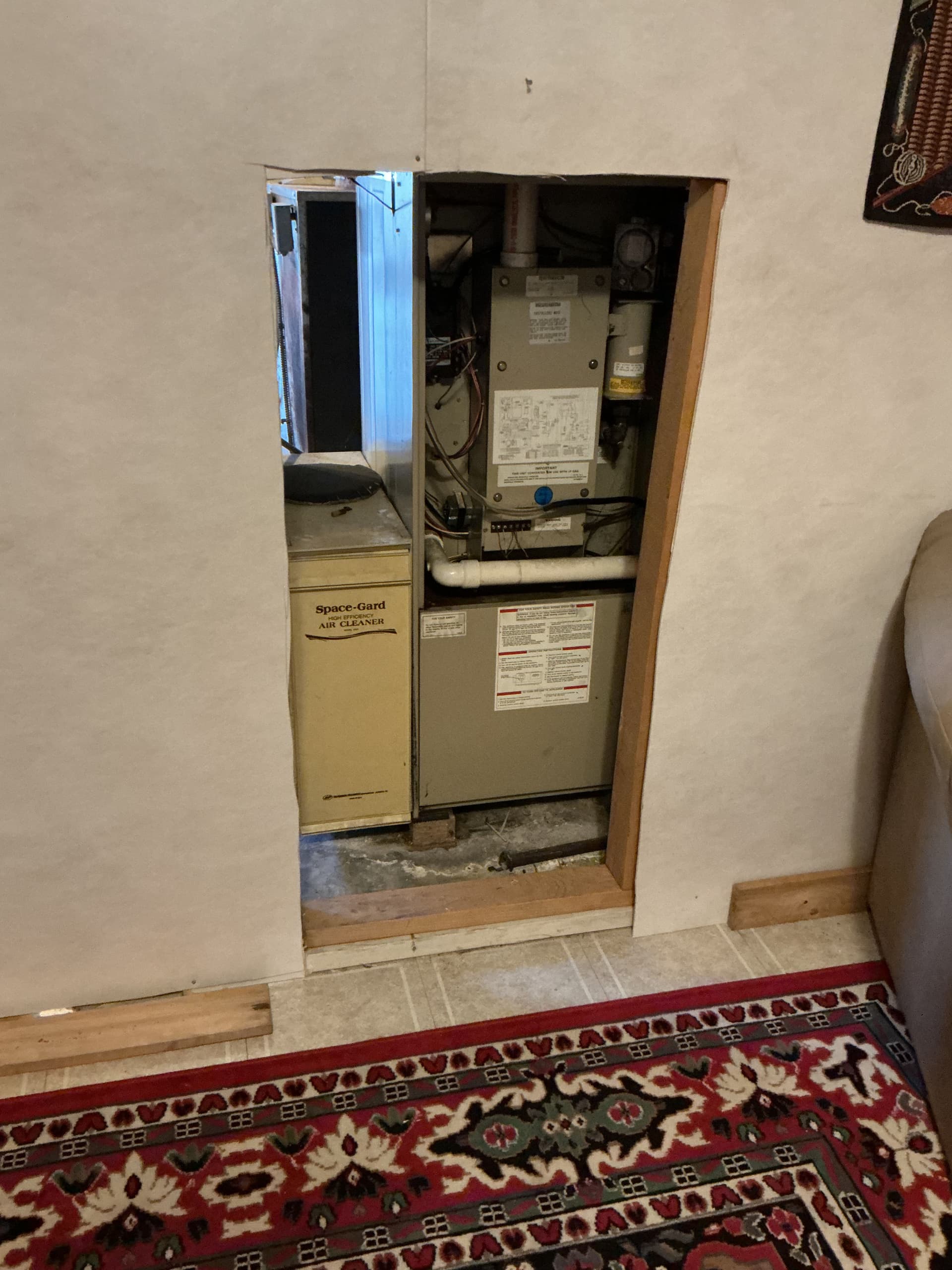
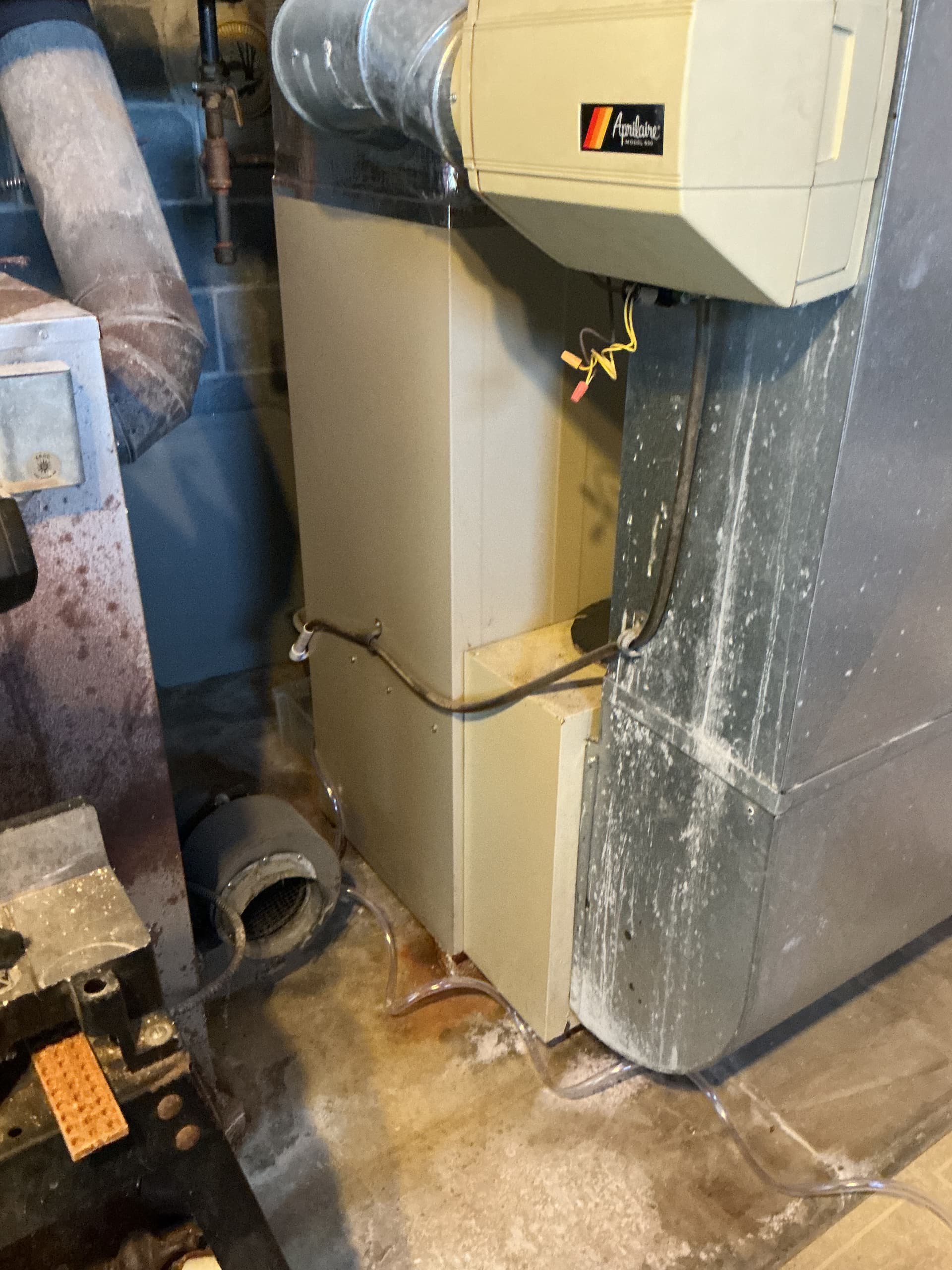
Here's what we were working with - an old Lennox Pulse furnace that had clearly run its course. The Lennox Pulse was a furnace design from decades ago that used a pulse combustion process. It was innovative at the time, but these units are well past their prime at this point. When one of these shows up on a service call, the conversation almost always turns to replacement rather than repair.
The wear and buildup on the old unit told the whole story. Corrosion, residue, and years of hard use had taken their toll. Running a furnace like that isn't just inefficient - it can mean uneven heat, poor airflow throughout the house, and unpredictable repair costs. At some point, patching it together stops making sense.
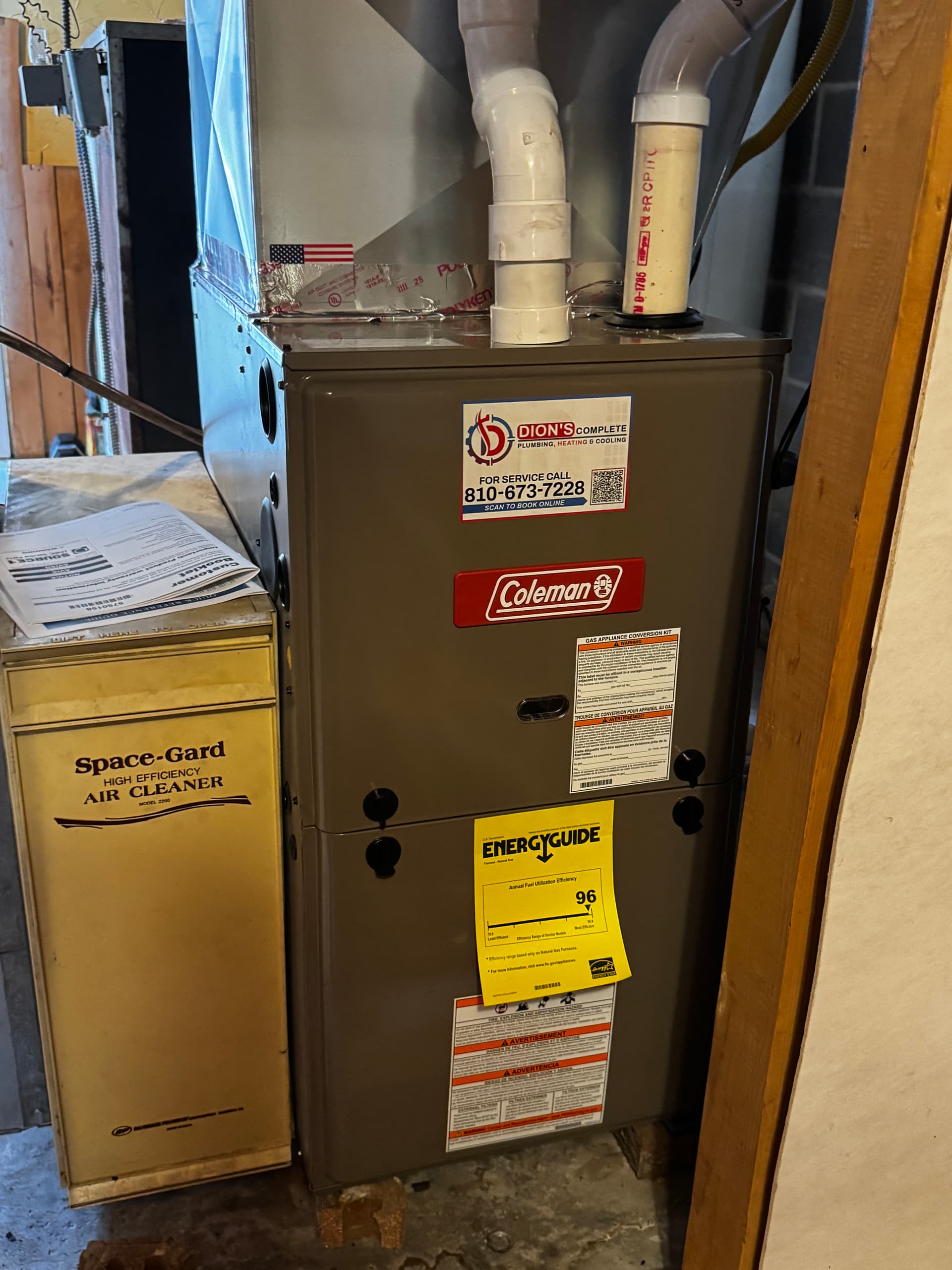
We pulled the old unit and installed a new Coleman two-stage high-efficiency furnace in its place. That EnergyGuide rating of 96 on the new unit is a big deal. It means 96 cents of every dollar spent on fuel is actually converted to heat. Two-stage operation is a bonus on top of that - the furnace runs on a lower stage most of the time, which keeps temperatures more consistent and the blower quieter. It only kicks into full capacity when the demand is there.
What that translates to for the homeowner is real, everyday comfort. No more hot and cold swings. Better airflow moving through the home. And lower energy bills compared to what an aging, inefficient furnace was burning through. The new PVC flue pipes are clean and properly routed - a fresh, solid install from top to bottom.
If your furnace is getting up there in age and you're noticing the heating bills creeping up or rooms that just don't seem to get warm enough, that's usually the furnace telling you something. A furnace replacement isn't just about getting heat - it's about getting the right heat, efficiently and reliably.