Is Your Whole-Home Humidifier Making Your Spring Home Damp?
Spring in Michigan may make your home feel damp due to improper humidifier settings. Learn to prevent mold and maintain healthy air quality.
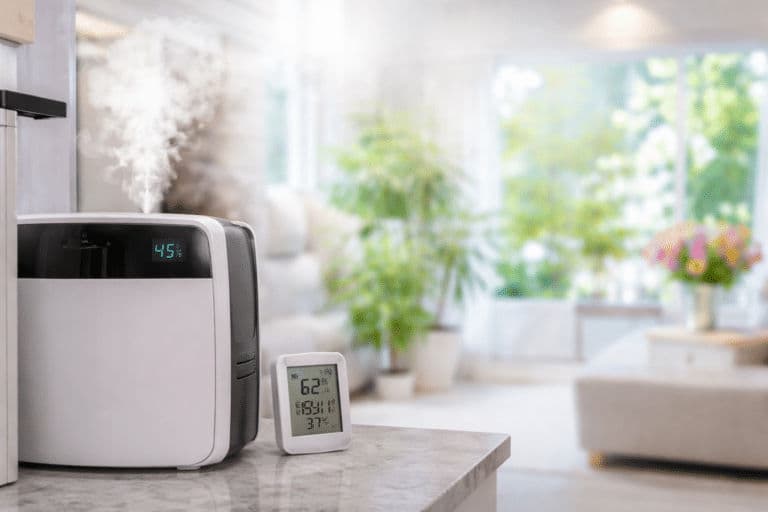
As winter fades and spring arrives in Michigan, many homeowners welcome the change in weather without realizing how it affects their indoor air. During the colder months, whole-home humidifiers are essential for adding moisture back into dry indoor air. However, once temperatures rise and outdoor humidity increases, those same systems can create a new problem inside your home.
If your house feels damp, musty, or slightly uncomfortable as spring begins, your humidifier settings may be to blame. This seasonal shift often leads to what HVAC professionals call the March mold risk, a time when excess indoor moisture creates ideal conditions for mold growth.
Understanding how to adjust your system during this transition can help protect your home, your air quality, and your comfort.
Why Humidifiers Are Helpful in Winter
During Michigan winters, cold outdoor air holds very little moisture. When that air enters your home and is heated, it becomes even drier. This can lead to issues like dry skin, static electricity, and even damage to wood flooring or furniture.
Whole-home humidifiers work alongside your HVAC system to maintain a comfortable humidity level, typically between 30 and 40 percent during winter. This added moisture makes your home feel warmer and helps improve overall comfort. The problem is that many homeowners leave their humidifier running at the same level once the seasons change.
What Changes in Early Spring
As winter transitions into spring, the outdoor air begins to hold more moisture. Snow melts, rain becomes more frequent, and humidity levels naturally increase. This means your home no longer needs as much added moisture from a humidifier.
If your system continues to push extra humidity into the air, indoor levels can quickly climb above the recommended range. When humidity rises above 50 percent, your home becomes more vulnerable to mold growth, condensation, and poor air quality. This is where the March mold risk begins to develop.
Understanding the March Mold Risk
March and early spring create the perfect environment for excess indoor moisture. The combination of warming temperatures and lingering humidifier use can push humidity levels too high without homeowners realizing it.
Common signs of excess humidity include:
Condensation forming on windows
A damp or sticky feeling in the air
Musty odors in certain rooms
Visible moisture around vents or walls
Allergy symptoms that seem to worsen indoors
These conditions allow mold and mildew to grow, especially in areas with limited airflow such as basements, bathrooms, and attics.
The Ideal Indoor Humidity Range
To maintain a healthy and comfortable home, indoor humidity should stay between 30 and 50 percent year round. During winter, levels often sit closer to 30 or 35 percent. As spring arrives, humidity naturally increases, so your HVAC system should be adjusted accordingly.
Allowing humidity to rise too high can lead to:
Mold and mildew growth
Increased allergens in the air
Damage to wood, drywall, and insulation
Reduced HVAC efficiency
Keeping humidity within the recommended range helps protect both your home and your health.
How to Adjust Your Humidifier for Spring
Transitioning your humidifier settings is simple but often overlooked. Taking a few minutes to make adjustments can prevent weeks of excess moisture problems.
1. Lower the Humidity Setting
If your humidifier is still running at winter levels, reduce the setting gradually. Aim for a range that keeps indoor humidity below 50 percent.
2. Turn Off the Humidifier if Needed
On milder spring days, your home may not need added humidity at all. Many systems can be turned off completely until the next heating season.
3. Use a Hygrometer
A hygrometer is a simple device that measures indoor humidity. It allows you to monitor levels and make adjustments as needed.
4. Check for Proper Ventilation
Spring is a good time to ensure your home is ventilating properly. Bathroom fans, kitchen exhaust systems, and attic ventilation all help remove excess moisture.
How Your HVAC System Plays a Role
Your heating and cooling system does more than control temperature. It also plays a major role in managing humidity. As you transition from heating to cooling, your system begins removing moisture from the air instead of adding it.
Running your air conditioning system during warmer spring days can help reduce indoor humidity naturally. However, if your humidifier is still active, it can work against this process and create an imbalance. A properly adjusted HVAC system should maintain steady humidity without creating damp conditions.
When to Schedule a Professional Inspection
If your home still feels damp after adjusting your humidifier, it may be time for a professional evaluation. An HVAC technician can check your system settings, inspect your humidifier, and ensure everything is working together correctly.
A professional can also:
Calibrate your humidifier for seasonal changes
Inspect ductwork for moisture buildup
Check airflow and ventilation
Recommend solutions for persistent humidity issues
Regular AC maintenance helps ensure your system adapts smoothly as the seasons change.
Keep Your Home Comfortable This Spring
Spring in Michigan brings warmer weather, but it also introduces new challenges for indoor comfort. A humidifier that worked perfectly in January can create problems by March if it is not adjusted. By monitoring humidity levels and updating your HVAC settings, you can avoid excess moisture, reduce the risk of mold, and maintain a healthier living environment.
If you are unsure about your system or want expert guidance, Dion’s Complete Plumbing, Heating & Cooling can help you transition your home from winter to spring with confidence. Contact us today to speak with an expert on our team.