Grand Blanc Guide: Preventing Frozen Pipes & HVAC Failures
Prepare for Grand Blanc winters with our guide on preventing frozen pipes and HVAC failures. Essential tips for home protection during extreme cold.
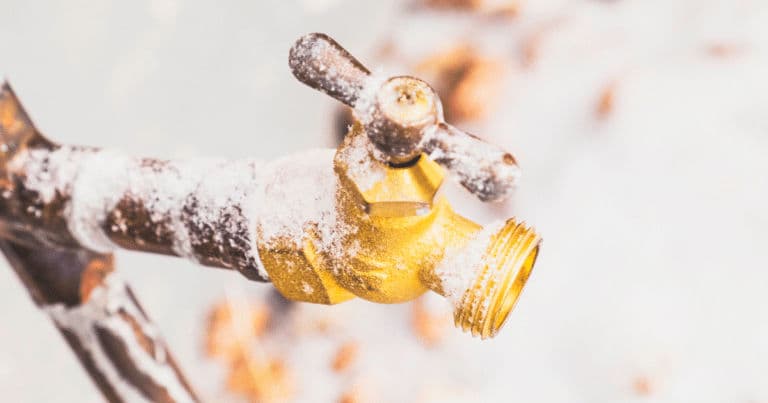
Winter in Grand Blanc is not just cold. It is unpredictable, long lasting, and often brutal on homes that are not properly prepared. Subzero nights, lake effect snow, and extended cold snaps can put serious stress on plumbing and heating systems. Frozen pipes and HVAC failures are some of the most common winter emergencies homeowners face, but many of them are preventable with the right preparation.
This guide explains how Michigan winters impact your home and what you can do to protect your plumbing and heating system before problems start.
Why Grand Blanc Winters Are Hard on Homes
Homes in Grand Blanc experience repeated freeze and thaw cycles throughout the winter. These temperature swings cause pipes to expand and contract while forcing furnaces to work overtime. Older homes in the area are especially vulnerable due to aging insulation, exposed plumbing, and outdated heating equipment.
Frozen pipes often occur in unheated spaces like basements, crawl spaces, garages, and exterior walls. HVAC failures tend to spike when systems are already under heavy demand and small issues turn into major breakdowns.
Taking proactive steps early in the season can help you avoid emergency repairs and costly damage.
How to Prevent Frozen Pipes in Extreme Cold
Frozen pipes are more than an inconvenience. When pipes freeze, pressure builds inside them, increasing the risk of bursting and flooding once they thaw.
Here are proven ways to reduce your risk:
1. Insulate Vulnerable Pipes
Pipes located near exterior walls or in unheated areas should be insulated with foam pipe insulation or heat tape. This added layer helps retain warmth during long cold spells.
2. Keep Indoor Temperatures Consistent
Lowering your thermostat too much at night can increase the risk of frozen pipes. Maintain a steady temperature, even when you are away from home.
3. Let Faucets Drip During Deep Freezes
Allowing a small trickle of water to flow through faucets helps prevent pressure buildup inside pipes. This is especially helpful during nights when temperatures drop well below zero.
4. Open Cabinet Doors
Opening cabinets under sinks allows warm air to circulate around plumbing, reducing the chance of freezing.
5. Disconnect Outdoor Hoses
Make sure all garden hoses are disconnected and exterior shutoff valves are closed before winter fully sets in.
Warning Signs Pipes May Be Freezing
Knowing the early signs of frozen pipes can help you act before damage occurs. Watch for:
Reduced water pressure
Frost on exposed pipes
Unusual odors coming from drains
Faucets that stop flowing entirely
If you suspect a pipe is frozen, avoid using open flames to thaw it. Contact a professional plumber to safely address the issue.
Preventing HVAC Failures During Michigan Winters
Your furnace is your home’s first line of defense against winter cold. When it fails, frozen pipes often follow soon after.
Schedule Preventive Furnace Maintenance
Annual furnace maintenance ensures components are clean, calibrated, and operating safely. Technicians can identify worn parts before they fail during peak usage.
Change Air Filters Regularly
Dirty air filters restrict airflow, causing furnaces to overheat and shut down unexpectedly. Replace filters every one to three months during winter.
Keep Exhaust and Intake Vents Clear
Snow and ice can block furnace exhaust or intake pipes, triggering safety shutoffs. Regularly check exterior vents after storms and clear any buildup.
Address Strange Noises or Short Cycling Early
Rattling, banging, or frequent on and off cycling often signal developing problems. Early repairs are usually less expensive than emergency breakdowns.
How Plumbing and HVAC Issues Are Connected
Many homeowners do not realize how closely plumbing and heating systems are connected. A failing furnace can allow indoor temperatures to drop low enough for pipes to freeze. Likewise, a plumbing emergency can lead to water damage that impacts HVAC components or ductwork.
Protecting both systems together is the best way to keep your home safe and comfortable throughout winter.
When to Call a Professional
DIY prevention goes a long way, but some situations require professional help. You should contact a licensed technician if:
Your furnace struggles to keep up with the cold
Pipes freeze repeatedly despite insulation
You notice water leaks or signs of pipe damage
Your system shuts down during extreme temperatures
Dion’s Complete Plumbing, Heating & Cooling provides reliable winter services for Grand Blanc homeowners. From frozen pipe prevention to emergency furnace repairs, our team understands the challenges local homes face during Michigan winters.
Stay Ahead of Winter Emergencies
The best time to prevent frozen pipes and HVAC failures is before the coldest days arrive. A little preparation can save you from expensive repairs, water damage, and uncomfortable nights without heat.
If you want peace of mind this winter, schedule a professional inspection or maintenance service with Dion’s Complete Plumbing, Heating & Cooling. We help Grand Blanc homeowners stay warm, protected, and prepared no matter how low the temperature drops.